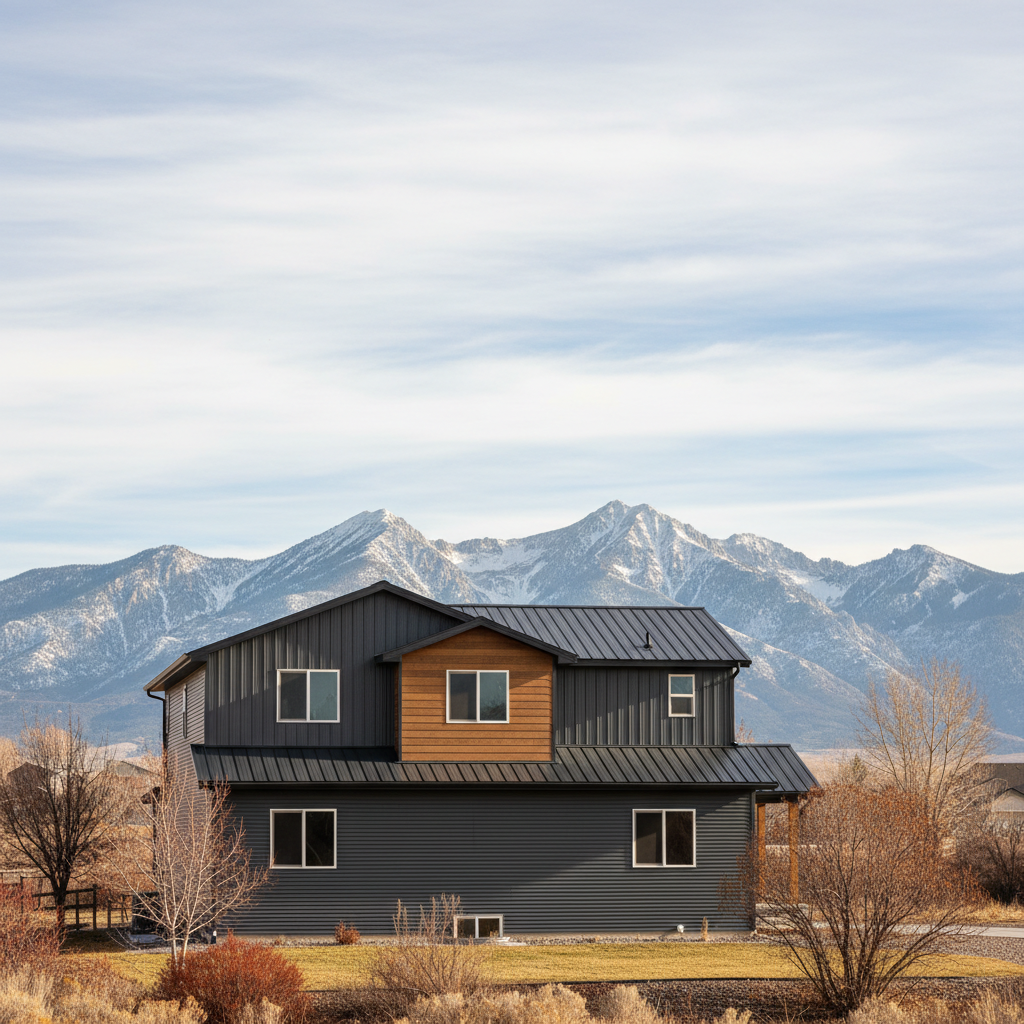
Metal siding is a fantastic choice for homes here in Sandy, especially with our wild temperature swings. But you can't just slap it on whenever. Knowing when to schedule your installation and how to protect it from our unique climate makes a big difference in how long it lasts and how good it looks.
When's the Best Time for Metal Siding Installation?
Honestly, spring and fall are usually your best bets for metal siding installation around here. Why? Because metal expands and contracts with temperature changes, and extreme heat or cold can make the job tougher and potentially impact the long-term fit.
- Spring (April to early June): This is often ideal. The ground's thawed, the really cold snaps are behind us, and we haven't hit the scorching summer heat yet. Temperatures are usually mild and consistent, which is perfect for working with metal. It allows the panels to settle nicely without too much stress from expansion or contraction during the install.
- Fall (September to November): Another great window. The summer heat has broken, and we're not usually dealing with heavy snow or freezing rain yet. Again, those moderate temperatures are key for a smooth installation.
- Summer (July-August): We can definitely install metal siding in the summer, but it comes with challenges. Those 90+ degree days we get in July and August? They make metal siding incredibly hot to handle. It expands significantly, and if it's put on too tightly in the heat, you might see buckling or oil canning later when it cools down and contracts. We've got techniques to account for this, but it's just not as ideal as milder weather.
- Winter (December-March): This is generally the toughest time. Freezing temperatures make the metal brittle and harder to cut cleanly. Plus, you're battling snow, ice, and shorter daylight hours. It's not impossible, especially if it's a mild winter, but it's less efficient and can add to the complexity. If you're in an older neighborhood like Willow Creek with lots of mature trees, snow and ice can also create hazards for installers.
Weather Conditions That Affect the Work
Beyond just temperature, a few other weather factors play a big role:
- Wind: This is a huge one for metal siding. Large panels can act like sails, making them dangerous to handle in high winds. We'll often have to pause or reschedule if the wind picks up significantly, both for our crew's safety and to ensure a precise installation.
- Rain/Snow: While metal siding itself isn't damaged by rain or snow, working in wet conditions isn't fun or safe. It makes surfaces slippery, reduces visibility, and can make cutting and fastening more difficult. We'll usually work through light rain, but heavy downpours or blizzards mean we're packing up for the day.
- Hail: This is a big no-go. You absolutely don't want to be installing metal siding during a hail storm. Even small hail can dent new panels, and that's just a waste of material and effort.
Protecting Your Metal Siding Investment Year-Round
Once your metal siding is up, it's pretty low maintenance, but a little care goes a long way, especially with our local climate:
- Regular Cleaning: Dirt, dust, and pollen can build up, especially after a dry summer. A simple rinse with a garden hose once or twice a year is usually enough. For tougher spots, a soft brush and mild detergent will do the trick. Don't use abrasive cleaners or high-pressure washers, as they can damage the finish.
- Check for Dents and Scratches: Our Sandy winters can be rough, and sometimes falling branches or even ice sliding off your roof can cause minor damage. Do a visual check, especially after heavy storms. Small scratches can often be touched up with paint matched to your siding color. Dents might require professional attention.
- Inspect Caulking and Sealants: Over time, the caulk around windows, doors, and trim can degrade. Check it annually, especially before winter. Cracked or missing caulk can let water get in, which you definitely don't want. Re-caulking is a relatively easy fix that protects your home's envelope.
- Keep Gutters Clean: This isn't directly about the siding itself, but clogged gutters can cause water to overflow and run down your siding, leading to streaks and potential staining. Keep them clear, especially in fall after the leaves drop and in spring when the snow melts.
- Trim Landscaping: Make sure bushes, trees, and other landscaping aren't constantly rubbing against your siding. This can cause scratches and wear down the finish over time. Give your siding some breathing room.
Metal siding is a durable, attractive option that can really stand up to what Sandy weather throws at it. By understanding the best times for installation and giving it a little attention throughout the year, you'll make sure your home looks great and stays protected for decades. If you're thinking about metal siding or need an inspection, Absolute Siding Inc is always here to help you out.