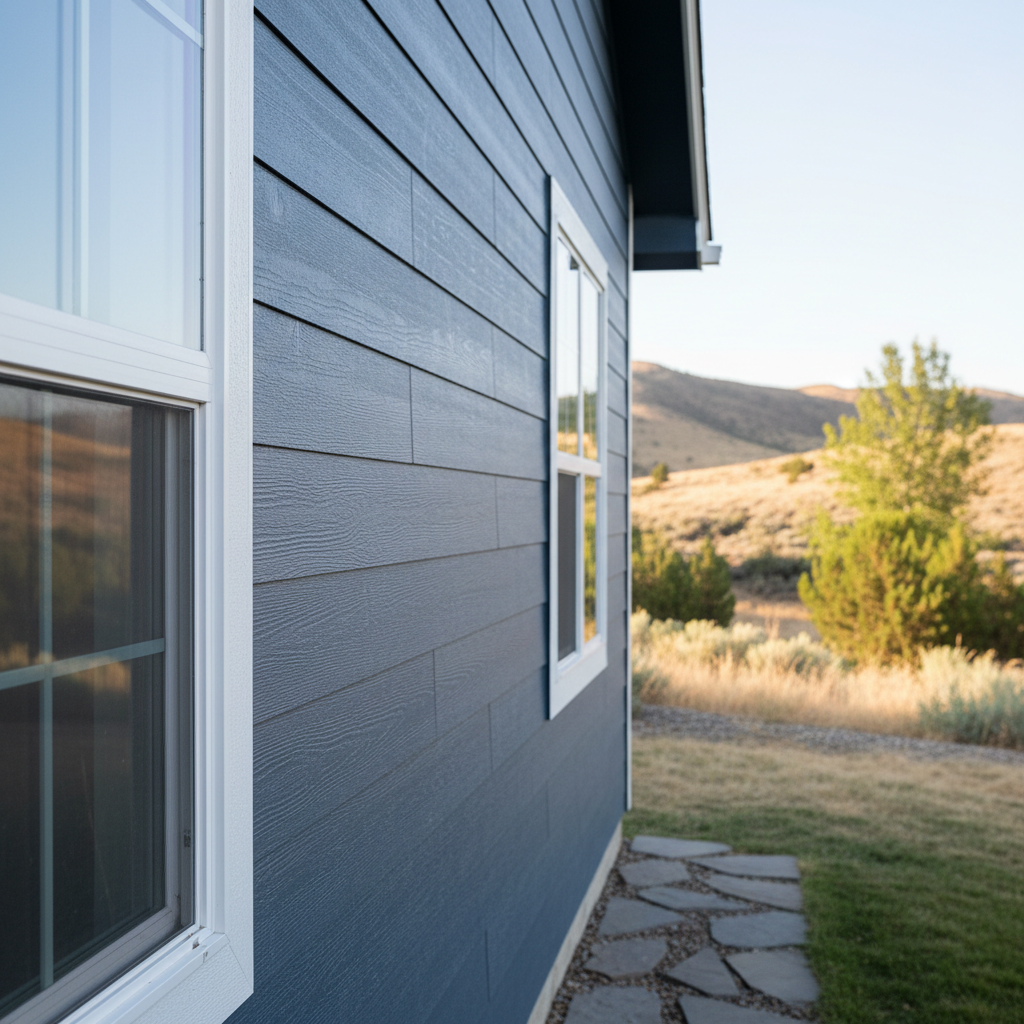
Thinking about James Hardie siding for your place? Good call. It's a solid product, and honestly, I get a lot of questions about it from folks right here in Sandy. It's tough, looks great, and really, it's one of the best investments you can make for your home's exterior. So, let's dig into some of the most common questions I hear.
What exactly is James Hardie siding? Is it just glorified concrete?
No, it's not just glorified concrete, even though it does have cement in it. James Hardie siding is a fiber cement product. That means it's a mix of cement, sand, water, and cellulose fibers. This combination makes it incredibly durable and stable. It's designed to look just like traditional wood siding – think cedar or clapboard – but without all the headaches wood brings, especially with our crazy temperature swings here in the Salt Lake Valley. It's built to stand up to pretty much anything Mother Nature throws at it, which is a big deal in our climate, wouldn't you say?
How long does James Hardie siding actually last? Is it really 'forever'?
Nothing's truly 'forever,' but James Hardie siding comes pretty darn close in the world of exterior materials. They offer a 30-year limited transferable warranty on their HZ5 products, which is what we use here in our climate zone. That warranty covers the material itself against defects. The ColorPlus Technology finish, which is their factory-applied paint, also carries a 15-year limited warranty. With proper installation and basic maintenance, you can expect this siding to last for decades – often 50 years or more. It's definitely a long-term investment.
Will it really hold up to Sandy's weather, like our hot summers and snowy winters?
Absolutely. That's one of its biggest selling points for homes here in Sandy. James Hardie specifically engineers different products for different climate zones. For us, they use their HZ5 product line. The 'HZ' stands for 'HardieZone,' and the '5' means it's built for areas with freezing temperatures, extreme seasonal temperature variations, and plenty of moisture. Think about those heavy snowfalls we get in places like the Pepperwood neighborhood, followed by scorching summer sun. This siding is designed to resist cracking, splitting, and rotting from moisture, and it won't expand and contract nearly as much as wood or even vinyl with temperature changes. It's also non-combustible, which is a nice bonus.
Is James Hardie siding expensive? How does it compare to other options?
It's not the cheapest option out there, I'll be honest. Vinyl siding will usually come in at a lower price point upfront. But James Hardie offers a significantly better return on investment over time. When you factor in its longevity, minimal maintenance, and how well it protects your home – not to mention its curb appeal – the value proposition is really strong. It's generally comparable in cost to high-end wood siding but without the constant repainting and repair. When we give you a quote at Absolute Siding Inc, we break down all the costs clearly so you know exactly what you're getting.
What kind of maintenance does it need? Do I have to paint it all the time?
That's another huge advantage. If you go with their ColorPlus Technology, which is what I recommend, you're looking at very low maintenance. The color is baked on in a controlled factory environment, so it's much more durable and fade-resistant than a regular paint job done on-site. You won't be painting it every few years like you would with wood. Generally, you'll just need to clean it periodically – usually once a year or every couple of years – with a garden hose and a soft brush to remove dirt and grime. Check your caulking every few years and touch up any dings if they happen. That's about it. It's a far cry from the upkeep of traditional wood siding.
Can I really get any look I want with James Hardie? What are the style options?
You'd be surprised at the versatility. James Hardie offers a ton of different styles and textures, so you can absolutely achieve the look you're going for. You can get traditional lap siding, vertical siding, shingle siding, and even architectural panels. They have smooth finishes, wood grain textures, and a whole palette of colors with their ColorPlus Technology. Whether you're aiming for a classic Craftsman, a modern farmhouse, or something more contemporary, there's a Hardie product that can help you get there. It really elevates the look of a home, and I've seen it transform some of the older brick ramblers around here into something fresh and modern.
Will it increase my home's value?
Yes, it absolutely can. Remodeling magazine's annual Cost vs. Value report consistently shows that fiber cement siding replacement is one of the best home improvement projects for return on investment. Homebuyers appreciate the durability, low maintenance, and curb appeal that James Hardie provides. It signals a well-maintained, high-quality home, which can definitely translate into a higher resale value when the time comes to sell.
Is it difficult to install? Can any siding contractor do it?
It's definitely not a DIY job, and it's not something just any siding contractor should tackle. Fiber cement is heavy, requires special tools for cutting, and the installation specs are very precise. Improper installation can void the warranty and lead to problems down the road. You need a contractor who is experienced and ideally, specifically trained in James Hardie installation. We've done countless Hardie jobs around Sandy and know the product inside and out, making sure it's installed right the first time.